- Date
- Views
- 3
- Time
- 10 分钟.
What Is Digital Banking and How Does It Work?
Key Takeaways
- Digital banking is the delivery and management of banking and financial services through digital channels and technology.
- A digital bank may provide account management, payments, transfers, cards, lending, savings, and other services through web or mobile interfaces, depending on its business model and regulatory permissions.
- Digital banking is broader than simply accessing a traditional bank account online; it can digitize customer onboarding, identity verification, payments, compliance, risk management, and other banking operations.
- APIs, cloud infrastructure, automation, data analytics, artificial intelligence, and modern security technologies support today’s digital banking systems.
- Individuals, businesses, fintech companies, and financial institutions can all use digital banking services.
- The benefits include convenience, faster processes, scalability, and 24/7 access, while cybersecurity, operational resilience, privacy, regulation, and digital exclusion remain important considerations.
Banking no longer depends exclusively on visiting a physical branch or completing paper-based processes. Customers can open and manage accounts, send money, make payments, access financial products, and monitor transactions through digital interfaces.
Behind this convenient experience is a complex digital banking system connecting customer applications with payment networks, banking infrastructure, compliance processes, security controls, and third-party services. Understanding how these components work together helps explain why digital banking has become an important part of the broader transformation of financial services.
What Is Digital Banking?
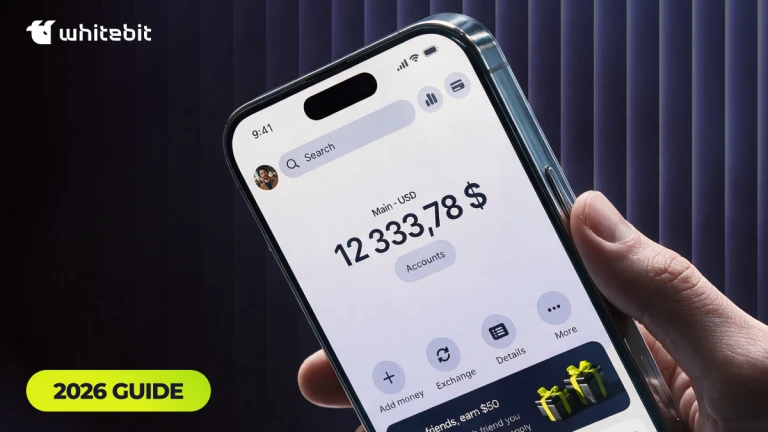
Digital banking is the use of digital technologies and channels to deliver, manage, and access banking and related financial services. Depending on the provider, users may perform activities such as opening accounts, making payments, transferring funds, managing cards, applying for financial products, and reviewing transaction data without relying on a physical branch.
The concept is broader than a mobile banking application. Modern digital banking can cover the entire service lifecycle, from customer onboarding and identity verification to transaction processing, compliance monitoring, customer support, and back-office operations.
The World Bank defines digital financial services more broadly as financial services that rely on digital technologies for their delivery and use. Such services can include payments, digital wallets, savings, credit, insurance, and investments.
A digital banking platform typically connects multiple components: customer-facing interfaces, core banking or ledger systems, payment rails, databases, APIs, security layers, compliance tools, and external service providers. Together, these components create a digital banking experience that can operate continuously across web and mobile environments.
Why Digital Banking Is Transforming the Banking Industry
The importance of digital banking comes from its ability to make financial services more accessible, scalable, and responsive to customer expectations.
Traditional banking processes often depend on branch networks, manual verification, paperwork, and fragmented legacy systems. Digital banking technology can automate many of these processes and enable customers to access services remotely.
This shift can benefit providers as well. Automation may reduce manual workloads, APIs can simplify connections between systems, and digital distribution allows financial products to reach customers without opening a physical branch in every market.
One of the developments supporting digital banking is Banking as a Service (BaaS), which allows licensed financial infrastructure to be integrated into digital products through APIs and third-party providers.
How Does Digital Banking Work?
Digital banking works by connecting a user-facing digital channel with the financial infrastructure required to authenticate customers, process transactions, maintain records, and comply with applicable rules.
A typical process may look like this:
- The user accesses a digital platform. This may be a mobile application, website, business dashboard, or embedded financial interface.
- The system authenticates the user. Passwords, biometrics, one-time codes, device verification, or multi-factor authentication may be used.
- The user submits a request. For example, they may check a balance, initiate a transfer, pay a bill, or manage a card.
- Backend systems process the instruction. The platform communicates with ledgers, payment systems, databases, compliance tools, or external providers.
- Security and compliance controls are applied. Depending on the activity and jurisdiction, systems may perform identity, fraud, sanctions, transaction, or risk checks.
- The transaction is authorized and recorded. Relevant systems update balances and transaction records.
- The user receives confirmation. Notifications, receipts, and updated account information are delivered through the digital interface.
The exact architecture differs among traditional banks, neobanks, fintech companies, and embedded finance providers.
Core Digital Banking Services
Digital banking services vary by provider, jurisdiction, license, and target customer. Common services can include:
- Digital account opening and onboarding;
- Account and balance management;
- Domestic and international transfers;
- Bill payments and recurring payments;
- Debit, credit, or virtual card management;
- Mobile wallets and contactless payments;
- Savings and deposit products;
- Digital lending and credit applications;
- Foreign exchange services;
- Business payment and treasury tools;
- Transaction monitoring and reporting;
- Customer support through digital channels.
Some providers focus on a narrow set of digital banking products, while others create broader ecosystems for individuals or businesses.
A related model is branchless banking, where customers access financial services primarily through digital channels, agents, ATMs, or partner networks rather than conventional bank branches.
Key Digital Banking Features
The quality of a digital banking experience depends on more than simply offering an app. Important digital banking features commonly include:
24/7 account access. Users can typically view account information and initiate supported operations outside normal branch hours.
Fast onboarding. Digital identity checks and electronic document submission can reduce the need for in-person registration.
Real-time or near-real-time information. Dashboards can provide updated balances, transaction histories, spending data, and alerts.
Automated payments. Users may schedule recurring transfers, subscriptions, invoices, or other payments.
Card controls. Many platforms allow customers to freeze cards, set limits, manage virtual cards, or configure notifications.
Personalized interfaces. Data analytics can help tailor dashboards, alerts, financial insights, and product recommendations.
API connectivity. APIs enable banking systems to communicate with fintech applications, accounting platforms, payment providers, and other services.
For businesses, additional features may include role-based access, approval workflows, bulk payments, reconciliation, reporting, and treasury management tools.
Digital Banking Technologies
Modern digital banking depends on a combination of technologies rather than a single software product.
Cloud computing can provide scalable infrastructure and support faster deployment of new services.
Application programming interfaces (APIs) allow different financial systems and applications to exchange data and execute supported functions.
Artificial intelligence and machine learning can assist with fraud detection, customer support, risk analysis, document processing, and personalization.
Data analytics helps institutions understand transaction patterns, customer behavior, operational performance, and potential risks.
Biometric authentication may use fingerprints, facial recognition, or other identifiers to strengthen user authentication.
Automation technologies can streamline onboarding, compliance workflows, reporting, and routine operational processes.
Distributed ledger and blockchain technologies are used in certain financial applications, particularly digital asset infrastructure and some settlement or tokenization use cases.
A modern digital banking platform may combine several of these technologies with core banking software, cybersecurity systems, payment infrastructure, and regulatory technology.
Digital Banking vs Online Banking
Digital banking and online banking are related, but they are not always the same concept. Online banking usually refers to accessing banking services through the internet, whereas digital banking is a broader model that can digitize both customer-facing services and underlying banking operations.
| Aspect | Digital Banking | Online Banking |
| Scope | Broad digital financial ecosystem | Primarily internet-based access to bank services |
| Channels | Mobile apps, web, APIs, embedded interfaces | Mainly web and mobile access |
| Operations | May digitize front-end and back-end processes | Often provides digital access to existing banking processes |
| Integration | Frequently designed for APIs and third-party services | Integration depends on the bank |
| Product development | Can support digital-native products | Often extends traditional banking products online |
| Automation | May cover onboarding, compliance, payments, support, and operations | Varies significantly by provider |
The distinction can be blurry because traditional banks have expanded their online services considerably. In practice, “digital banking” increasingly describes a broader technology-driven operating model rather than a single access channel.
Advantages and Disadvantages of Digital Banking
Digital banking offers significant benefits, but it also introduces risks and operational challenges.
| Advantages | Disadvantages and Challenges |
| Convenient access to services | Dependence on internet access and technology |
| Faster onboarding and transactions | Cybersecurity and fraud risks |
| Reduced reliance on physical branches | Service interruptions can affect acces |
| Greater automation | Privacy and data governance concerns |
| Easier integration through APIs | Integration with legacy systems can be complex |
| Potentially lower operating costs | Regulatory requirements differ across markets |
| Scalable digital products | Some users may face digital accessibility barriers |
| Real-time notifications and data | Human assistance may be less accessible with some providers |
The advantages of digital banking are strongest when convenience is combined with resilient infrastructure, effective security controls, regulatory compliance, and reliable customer support.
Examples of Digital Banking Services
Examples of digital banking appear throughout everyday personal and business finance.
A customer may open an account remotely, verify their identity digitally, receive a virtual card, and begin making payments without visiting a branch. Mobile applications may provide instant transaction notifications, spending categories, card controls, and money transfers.
Businesses can use digital banking platforms to pay suppliers, manage employee access, monitor cash flows, reconcile transactions, or process international payments.
Fintech applications may integrate banking or payment capabilities directly into their products through APIs. E-commerce platforms and marketplaces can also embed financial services into customer journeys.
In the digital asset sector, specialized crypto infrastructure providers may offer technology for custody, trading connectivity, liquidity, payments, or other digital asset operations. These services should not automatically be treated as conventional banking, however; their regulatory status and protections may differ substantially.
These examples of digital banking illustrate how financial functionality is increasingly integrated into broader digital ecosystems.
Who Uses Digital Banking?
Digital banking serves several groups with different needs.
Individual consumers use it for everyday activities such as checking balances, sending money, paying bills, managing cards, and accessing savings or credit products.
Small and medium-sized businesses may use digital banking for payments, expense management, payroll-related workflows, reconciliation, and cash-flow monitoring.
Large companies and institutions often need more sophisticated capabilities, including multi-user permissions, approval workflows, reporting, international transfers, liquidity management, and integrations with internal systems.
Fintech companies can use third-party financial infrastructure to build payment, account, card, or embedded finance products without developing every technical component internally.
Digital asset businesses may require specialized infrastructure that connects traditional financial operations with blockchain-based systems.
For companies holding or managing digital assets, crypto treasury management can also become part of a broader financial strategy, including liquidity management, operational controls, reporting, and risk management.
Is Digital Banking Safe?
Digital banking can provide strong security, but no digital financial system is completely free from risk.
Providers typically use multiple layers of protection, which may include encryption, multi-factor authentication, biometric verification, fraud monitoring, access controls, device analysis, transaction limits, and automated security alerts.
Security also depends on operational practices and user behavior. Phishing, stolen credentials, social engineering, malware, SIM-swapping attacks, and compromised devices can create risks even when a provider uses robust technical controls.
Businesses evaluating digital banking software or providers should consider:
- Regulatory and licensing status;
- Authentication and access controls;
- Encryption and data protection practices;
- Fraud monitoring capabilities;
- Incident response procedures;
- Business continuity and disaster recovery;
- Transaction approval controls;
- Security certifications or independent audits where relevant.
Users should also enable available multi-factor authentication, use unique passwords, verify payment instructions carefully, and keep devices and applications updated.
Key Trends Shaping the Future of Digital Banking
The prospects of digital banking are being shaped by several interconnected developments.
Embedded finance is bringing payments and other financial capabilities directly into non-financial applications and platforms.
Open banking and API ecosystems can enable permission-based data sharing and deeper connections between financial institutions and third-party providers, subject to applicable regulation.
Artificial intelligence is expanding automation in customer service, fraud detection, risk management, analytics, and personalization.
Real-time payments are increasing expectations for faster settlement and around-the-clock financial operations.
Cloud-based infrastructure is helping providers scale services and modernize technology stacks, although governance and operational resilience remain important.
Digital assets and tokenization are creating new infrastructure requirements for institutions exploring blockchain-based financial products.
Cybersecurity and digital identity will remain central as digital banking growth increases the number of online interactions and expands the potential attack surface.
The digital banking market will continue to evolve alongside regulation, customer expectations, and technological innovation. Rather than a single technology replacing traditional finance, the likely direction is deeper integration between banking, fintech, payments, data, and digital asset infrastructure.
How to Choose the Right Digital Banking Provider
Choosing a provider requires more than comparing app interfaces or transaction fees.
First, determine the exact services you need. A consumer looking for everyday payments has different requirements from a fintech company building a financial product or an enterprise managing complex cross-border operations.
Evaluate the provider’s regulatory status in the relevant jurisdiction and understand which entity actually delivers each service. This is especially important when multiple partners provide banking, payments, custody, or digital asset functionality.
Review the technology stack. Businesses may need APIs, sandbox environments, webhooks, documentation, reporting tools, automated reconciliation, and integration support.
Security should also be assessed carefully. Consider authentication, encryption, permissions, fraud prevention, incident response, and operational resilience.
Finally, evaluate scalability. A provider that works for an early-stage product should ideally be able to support higher transaction volumes, additional markets, and new capabilities as the business grows.
Conclusion
Digital banking is the technology-driven delivery and operation of banking and financial services through digital channels. It goes beyond simply checking an account online: modern digital banking can encompass onboarding, payments, transfers, cards, lending, compliance processes, analytics, automation, and integrations with external financial infrastructure.
Understanding what digital banking is also requires recognizing its broader impact. APIs, cloud systems, AI, real-time payments, and emerging digital asset technologies are changing how financial products are built and delivered.
For consumers, this can mean greater convenience and faster access. For businesses, digital banking can improve operational efficiency and expand access to modern financial services. As the industry evolves, security, regulation, operational resilience, and careful provider selection remain essential considerations.
FAQ
To Share
Published by
 WhiteBIT