- Date
- Views
- 0
- Time
- 10 min.
What Is a Stop Loss in Trading?
Key points:
- A stop loss order is designed to limit potential losses on an open position.
- The order is triggered when the market reaches a predefined stop price.
- Traders can set stop losses using price levels, percentages, volatility, or technical analysis.
- A stop loss can help enforce trading discipline, but it cannot guarantee an exact execution price.
- Effective stop-loss placement should reflect both market conditions and a trader’s risk tolerance.
What Is a Stop Loss Order?
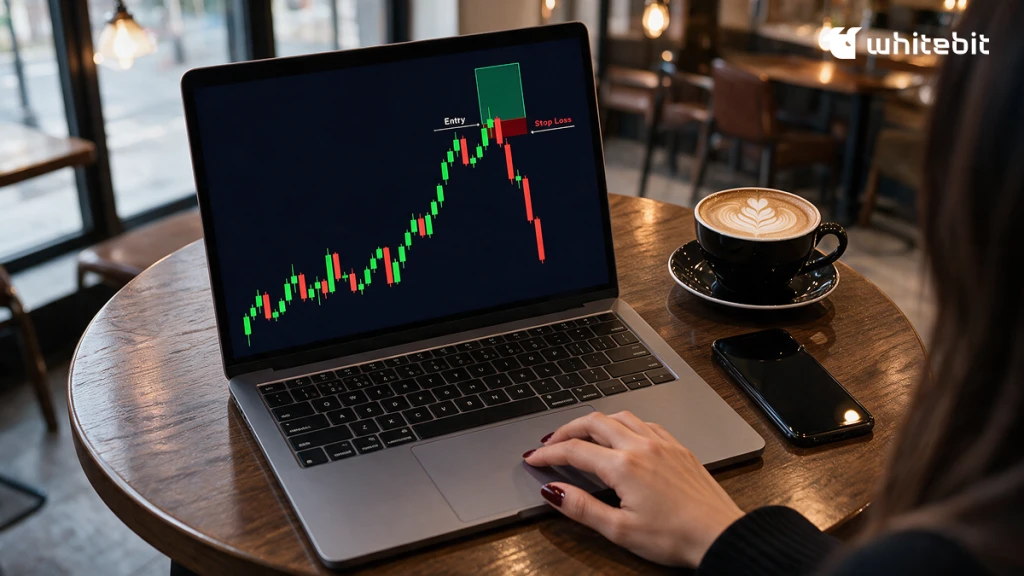
A stop-loss order is a trading order designed to limit potential losses by triggering an order when an asset reaches a predetermined price, known as the stop price. Depending on the order type, it may trigger a market or limit order.
For example, if a trader buys Bitcoin at $80,000 and sets a stop price at $75,000, reaching $75,000 activates the stop-loss order. The actual execution price may differ from the stop price, particularly in a fast-moving or illiquid market.
The main purpose of a stop loss is to help traders manage downside risk and define in advance when they want to exit a trade if the market moves against their position.
How Does Stop Loss Work in Trading?
For a long position, the stop price is generally placed below the current market price. If the market falls to that level, the stop order is activated. For a short position, the stop is normally placed above the current market price.
Types of Stop-Loss Orders
The main types of stop loss orders differ in how they behave once the trigger price is reached:
- Stop-market order: Once the stop price is reached, it triggers a market order. Execution is prioritized, but the final price is not guaranteed.
- Stop-limit order: Once triggered, it places a limit order. This provides greater control over the execution price but creates a risk that the order will not be filled.
- Trailing stop: The stop level moves in a favorable direction as the asset price changes, potentially protecting part of an unrealized profit.
The availability and exact mechanics of these orders may vary across trading platforms.
How to Set Stop-Loss Orders
A stop should generally reflect the logic of the trade rather than an arbitrary number. A basic process may look like this:
- Define your maximum risk. Decide how much of your trading capital you are prepared to lose if the trade moves against you.
- Identify a logical price level. Traders often use support and resistance, recent swing highs or lows, or volatility indicators.
- Account for market volatility. A stop placed too close to the entry price may be triggered by normal short-term price fluctuations.
- Set the order before or immediately after entering the trade. This can help keep risk management consistent rather than making decisions emotionally as prices move.
For example, a trader buying ETH at $2,000 with a 5% stop could place the stop around $1,900. The appropriate trading stop loss, however, depends on the strategy, market conditions, and individual risk tolerance.
How to Calculate Stop Loss?
One simple way to calculate stop loss is by using a percentage of the entry price.
For a long position:
Stop-loss price = Entry price × (1 − Stop-loss percentage)
If BTC is purchased at $80,000 and the trader chooses a 4% stop:
$80,000 × (1 − 0.04) = $76,800
The stop-loss level would therefore be $76,800
Risk-based position sizing can take this further. If a trader is willing to risk $100 and the distance between the entry and stop is $5 per unit, the position size would be 20 units. This approach connects the stop-loss level directly to the amount of capital the trader is prepared to risk.
Stop Loss vs Stop Limit
A stop loss and a stop-limit order both use a trigger price, but what happens after that price is reached is different.
| Feature | Stop Loss (Stop-Market) | Stop-Limit |
| After trigger | Becomes a market order | Becomes a limit order |
| Execution priority | Higher | Lower |
| Price control | Limited | Greater |
| Main risk | Slippage | Order may not fill |
A stop-market order is generally designed to prioritize exiting the position, while a stop-limit order gives the trader more control over price. In a fast-moving market, however, a stop-limit order may remain unfilled if the asset moves beyond the specified limit.
Advantages and Disadvantages of Stop Loss in Trading
The main advantage of a stop loss in trading is systematic risk management. It can define potential downside before a trade develops, reduce the need for constant market monitoring, and help limit emotional decision-making during sharp market moves.
At the same time, stop losses have limitations. Short-term volatility can trigger an order before the market reverses, while gaps and slippage can result in execution at a worse price than expected. Poorly positioned stops may also lead to unnecessary exits.
The Bottom Line
What is a stop loss in trading? It is an order designed to close a position after the market reaches a predefined price, helping traders control risk and apply a more disciplined approach to trade management. A stop loss can reduce risk, but it cannot eliminate losses or guarantee execution at the chosen price.
This article is for educational purposes only and does not constitute financial, investment, or trading advice.
FAQ
To share
Published by
 WhiteBIT