- Date
- Views
- 0
- Time
- 10 min.
White-Label Digital Wallet in 2026: The Complete Guide
Key takeaways:
- A white-label digital wallet is ready-made wallet infrastructure that a business can integrate and offer under its own brand.
- The provider may handle wallet creation, blockchain connections, transaction processing, security tools, and parts of the compliance infrastructure.
- White-label wallets can support crypto, fiat, or both, depending on the provider and product model.
- Security depends on the architecture, key-management model, access controls, transaction policies, and operational processes behind the wallet.
- Regulation depends on the services offered, custody model, jurisdiction, and role of each company involved.
What Is a White-Label Digital Wallet?
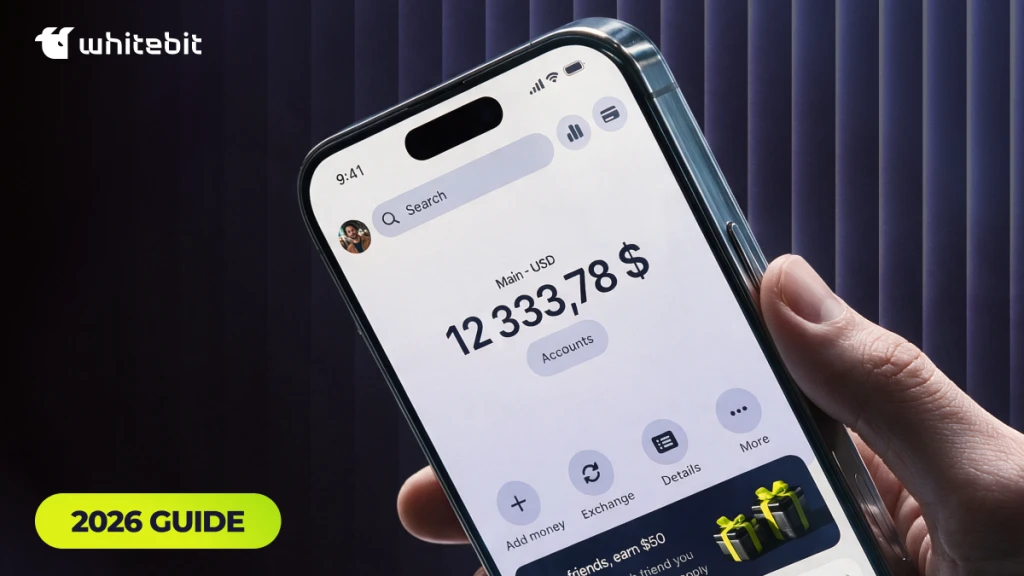
A white label digital wallet is ready-made wallet technology that a business integrates into its product and offers under its own brand. The provider may handle wallet creation, transaction processing, blockchain connections, APIs, and security tools.
The model can support fiat, crypto, or both. For example, a fintech may add a crypto wallet for business users without building its own blockchain infrastructure. A neobank or branchless banking platform may use the same model to add digital-asset features to an existing app.
A white label wallet describes the infrastructure model, but does not define who holds assets, controls the keys, or carries regulatory responsibility.
How Does a White-Label Digital Wallet Work?
Most white-label systems separate the visible product from the infrastructure that runs behind it.
The business controls the customer-facing layer. This may include branding, navigation, account screens, notifications, and other parts of the interface. The infrastructure provider connects these functions to wallet services through APIs. An API is a set of rules that lets different software systems exchange requests and data.
A typical flow may look like this:
- A user creates or activates a wallet inside the business’s app.
- The app sends a request to the wallet infrastructure through an API.
- The infrastructure creates or assigns the required wallet address.
- The user sends, receives, or stores supported assets.
- The backend records the transaction and updates the wallet balance or status.
- Security and compliance controls may screen or approve the operation, depending on the setup.
For crypto wallets, the provider may also connect the product to supported blockchain networks, reducing the need to build and maintain each connection separately.

Types of White-Label Digital Wallets
White Label Digital Wallets can differ in what they hold and how access to funds is controlled. These differences affect both the technical architecture and the company’s legal obligations.
Fiat And Payment Wallets
These wallets focus on traditional currencies or payment instruments. They may be connected to cards, bank transfers, merchant payments, or other payment rails.
The wallet provider does not necessarily provide all these services directly. Banking and payment functions may involve licensed third parties.
Crypto Wallets
A crypto white label digital wallet supports digital assets such as cryptocurrencies or tokens. It may provide wallet addresses, blockchain connections, deposits, withdrawals, and transaction records.
Crypto wallets also differ by custody model. In a custodial model, a service provider controls the means needed to access the assets. In a non-custodial model, the user retains control. Hybrid models can divide control or responsibilities between several parties.
This distinction has regulatory consequences. Under the EU Markets in Crypto-Assets Regulation, for example, providers that offer custody and administration of clients’ crypto-assets have specific duties concerning custody policies, client records, asset segregation, and security.
Multi-Asset Wallets
Some white label digital wallet solutions combine several types of value in one product. A user may see fiat balances, crypto assets, or other digital items through the same interface.
The interface may look unified, but the infrastructure behind each function can be different. Payments, crypto custody, exchange functions, and transfers may involve separate systems and regulatory requirements.
Core Features of a White-Label Digital Wallet
The exact feature set varies by provider. Still, several functions appear often in business wallet products.
- Wallet and address creation. The system creates wallets or blockchain addresses for users, companies, or internal accounts.
- Asset and network support. Crypto products may connect to several blockchain networks and support different digital assets.
- Transaction management. The backend records deposits, withdrawals, transfers, and their current status.
- API integration. APIs connect wallet functions with the company’s app, website, account system, or other software.
- Access controls. Business wallets may use roles, approval rules, two-factor authentication, address allowlists, or transaction limits.
- Monitoring and compliance tools. Some systems include transaction monitoring, address screening, and other controls related to financial crime risks.
A feature list alone does not show how a wallet will work inside a specific business. Supported networks, transaction volumes, custody structure, permissions, reporting, and compliance requirements all affect the final integration.
White-Label Wallet vs Building a Digital Wallet From Scratch
The choice between internal development and a white label digital wallet platform affects much more than the interface. It changes how technical work, maintenance, security, and product control are divided.
| Area | White-label wallet | Built from scratch |
| Blockchain integrations | May be provided through one infrastructure layer | Each required integration must be developed or sourced |
| Security architecture | Based partly on provider infrastructure | Designed and maintained internally |
| Compliance tooling | May include built-in components | Must be developed or integrated separately |
| Launch timeline | Depends mainly on integration and compliance scope | Depends on full development and testing scope |
Building from scratch gives a business more direct control but requires more internal development and maintenance. A white-label model shifts part of this work to a provider, while creating dependency on its infrastructure. The choice depends on technical resources, required features, target markets, and custody needs.

Benefits of White-Label Digital Wallets for Businesses
White label wallets reduce the amount of infrastructure a business needs to develop and maintain internally. Key benefits include:
- Lower development workload. Core wallet functions are already available, reducing the amount of engineering work required.
- Simpler multi-network integration. Businesses can connect to supported blockchain networks through one infrastructure layer instead of building each connection separately.
- More focus on the core product. Internal teams can focus on the interface, customer flows, and product logic while the provider maintains agreed infrastructure components.
- Different cost structure. Some internal development and maintenance costs are replaced by integration and provider fees. Total costs still depend on the product and commercial terms.
White-label infrastructure also creates provider dependency. API stability, service availability, data portability, and incident procedures remain relevant when evaluating the model.
White-Label Digital Wallet Architecture
A white label digital wallet solution usually contains several layers that work together.
- At the top is the customer interface. This is the wallet screen inside a mobile app, web platform, or another product. Users see balances, transaction history, addresses, and available actions here.
- Behind it sits the business backend. It manages user accounts, permissions, product rules, and communication with external services.
- The wallet infrastructure sits deeper in the stack. It may generate addresses, connect to blockchains, process transaction requests, and manage signing or key-related operations.
- Some institutional systems use Multi-Party Computation, or MPC. MPC divides signing authority into separate cryptographic parts rather than depending on one complete private key in one location.
A separate compliance layer may screen addresses or transactions. Monitoring systems then record technical events, errors, and unusual activity.
The exact boundaries between these layers depend on the provider.
Security of White-Label Digital Wallets
Wallet security largely depends on how access to assets and transaction approval are managed. Key areas include:
- Key management: distributed signing, MPC, or offline storage can reduce reliance on a single private key.
- Access controls: two-factor authentication, role-based permissions, and withdrawal allowlists can limit unauthorized actions.
- Transaction approval: additional approval flows can be applied to sensitive or high-value operations.
- Monitoring: activity records help identify and investigate unusual behavior.
- Operational security: backups, recovery procedures, software updates, and incident response help protect ongoing operations.
No architecture removes all security risk. A company evaluating white label digital wallet solutions still needs to understand which party controls keys, how transactions are approved, how assets are separated, and what happens during a security incident.

Regulatory and Compliance Considerations
Regulatory responsibilities depend on the product, jurisdiction, custody model, and services provided. Key areas to consider include:
- Custody requirements: businesses that hold or control client assets may be subject to specific rules on asset protection, records, and segregation.
- AML controls: applicable requirements may include customer due diligence, transaction monitoring, record keeping, and suspicious transaction reporting.
- Transfer requirements: FATF standards include rules for originator and beneficiary information for qualifying virtual asset transfers.
- Division of responsibilities: obligations may be shared between the infrastructure provider and customer-facing business depending on contracts, custody arrangements, and data flows.
- Local regulation: requirements differ between jurisdictions. In the EU, MiCA establishes rules for regulated crypto-asset service providers, including providers offering custody services.
A white-label model does not remove regulatory duties. Compliance requirements should therefore be assessed during product design for each business model and jurisdiction.
White-Label Digital Wallet Use Cases
A white-label wallet can appear in products that look very different to the end user.
- Fintech apps may add crypto balances, transfers, or digital-asset accounts to an existing financial application.
- Neobanks and digital banking products may place wallet functions next to existing payment or account services. The regulatory structure still depends on what those wallet functions actually do.
- Crypto exchanges and brokerages may use wallet infrastructure to create deposit and withdrawal addresses for large user bases.
- Payment providers may use wallets to receive, store, transfer, or settle supported digital assets.
- Web3 platforms may integrate wallet functions into marketplaces, games, token platforms, or other blockchain-based applications.
- Enterprise treasury teams may use business wallets to manage company crypto holdings with defined permissions and approval rules.
The same infrastructure does not create the same product in every case. A consumer fintech wallet has different account flows and compliance needs from an enterprise treasury wallet.
The Future of White-Label Digital Wallets
White-label wallets are becoming more embedded in existing financial and digital products. API-based infrastructure lets businesses add wallet functions while keeping users within their own interface.
Multi-chain support is also expanding, allowing one product to work with assets across several blockchain networks. At the same time, compliance tools such as transaction monitoring and address screening are becoming more closely integrated with wallet infrastructure.
As regulation develops, businesses also need to consider security responsibilities, data control, and service continuity when working with wallet providers.
Conclusion
A white-label digital wallet gives businesses a way to add wallet functions without developing the full infrastructure from zero. The model can cover wallet creation, blockchain connectivity, transaction processing, security controls, and compliance tools.
The final setup still depends on the product, custody model, provider, and jurisdiction. Before launch, the technical architecture and division of responsibilities need to be clear. White-label infrastructure reduces some development work, but it does not remove operational, security, regulatory, or crypto-asset risks.
FAQ
To Share
Published by
 WhiteBIT